Yes, most of our trip was teaching, encouraging, and fellowshipping, so it was nice to get to day 3 and do some physical labor, too.
This is also where I remembered to include our visit with the leadership council on day 2. So, as I review my journals to write this post, I ought to tell you a little bit about them before moving forward.
The leadership council is made up of people from the local community. They set the goals for the community while they are part of the 410 Bridge Program. The 410 Bridge will have a leader as the point of contact for the community.
The people on the leadership council that we met had hearts for serving, a desire to learn, and most of all, love for Jesus.
When we did the leadership development activities with them, their perspectives were varied, and their wisdom prevalent. God is definitely blessing the work in Mutirithia and Naibor through these people.
Some of them worked with the children in the schools, in the kids club programs. Some worked as pastors and laymen, some worked with the women, some taught farming and business skills. They all sacrificed much to serve others and share their why- spreading the love of Jesus in practical ways.
Now, back to Day 3.
Our day began by returning to the site of the fire. It is always an adventure in of itself to get anywhere outside of the established roads in Kenya. We watched many people walking to and from businesses, homes, and jobs. Some people basically ubered with the motorbikes, others rode a bus or on the back or top of a work vehicle.
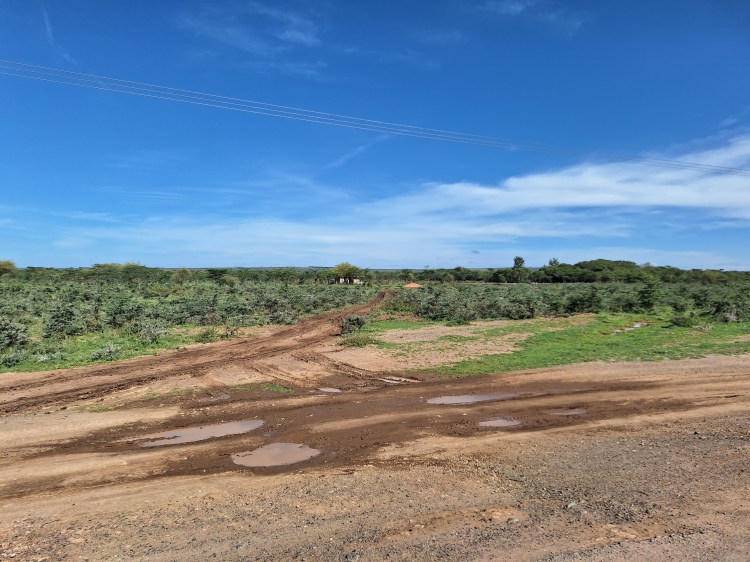
We made it to the site and noticed a large group of women cleaning up debris with various tools. There was only one wheelbarrow, so recycled sacks made alternatives for earth moving equipment. Eventually, as more people came out to work, more tools began to show up. It was not lost on me that “it takes a village” literally means the whole community coming together in this sense.
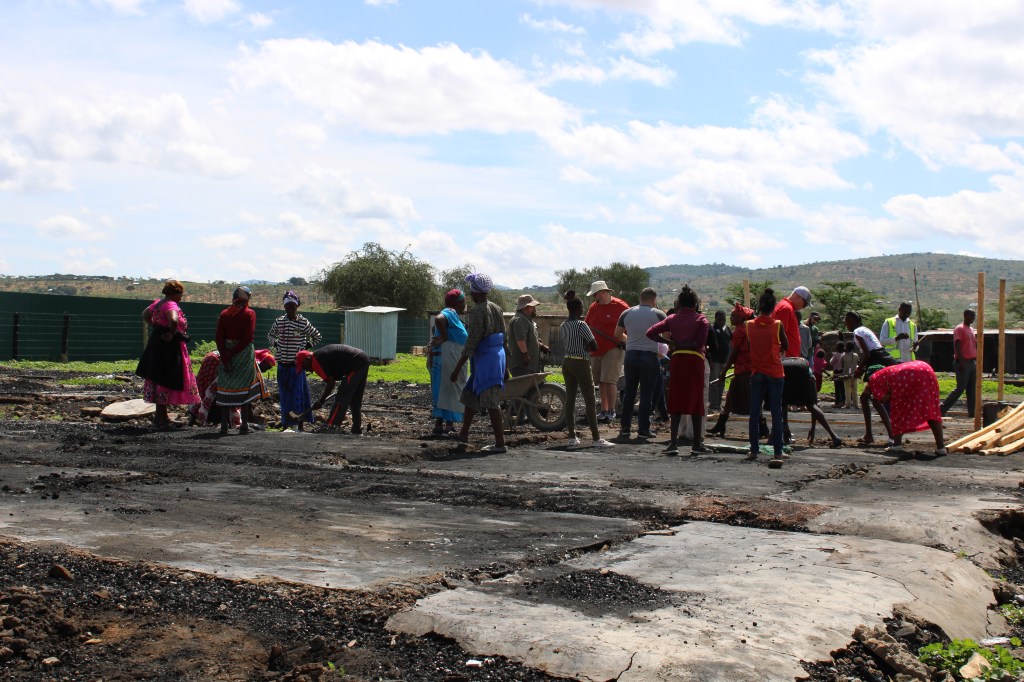
The cultural norm here is that the women do most of the work. They take care of their homes, and in some tribes also are the ones who build the homes. They take care of the children and animals too. Once we arrived, the pastors and other leaders from the leadership council began working with us, so we had a few men join the ranks at that point.
We experienced more of the seniority dilemma today, too. One person learned how to frame buildings, so they were the designated carpenter and engineer. Even though there was someone from our US group that had more experience with framing, we honored that senior figure and the effort they took to learn the carpentry skills. Asking questions, never taking over.

There was something to be said for the way the community came together. If I were leading a project to rebuild structures after a fire, I’d organize and assign tasks to people. There would be a group doing debris removal, a group prepping the build site, a group measuring and cutting lumber, a group assembling the pieces, someone bringing water to everyone, preparing a meal or snacks for the workers, someone assembling the roof, someone doing exterior siding. But here, things were done by committee (unless it was something like in the case of the carpenter).
We would go up to a job, like shoveling debris, be handed a shovel, and work for a while. Then, someone would come along and take our shovel and start shoveling. This gave us permission to take breaks, but it also gave everyone the ability to do another task. To me, it is terribly inefficient, but it was remarkably positive.
Lesson Learned: It’s not always about completion or efficiency. Sometimes, it’s about the process, everyone being included, and arriving at a destination together.
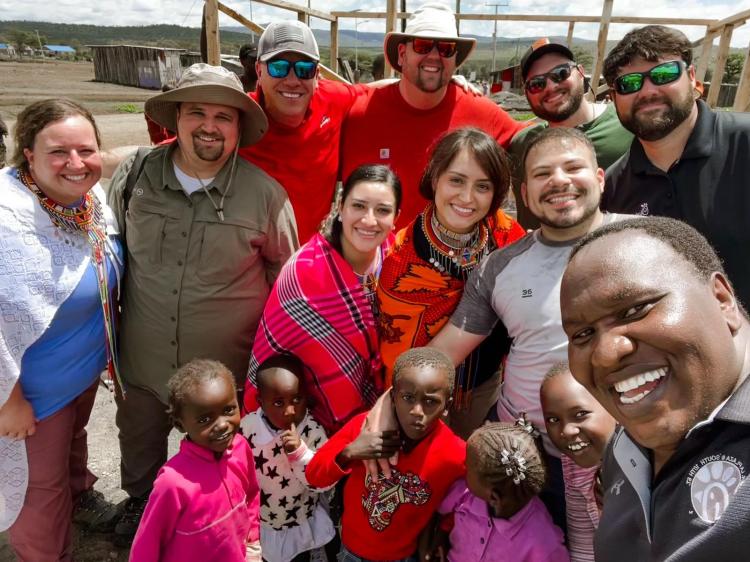
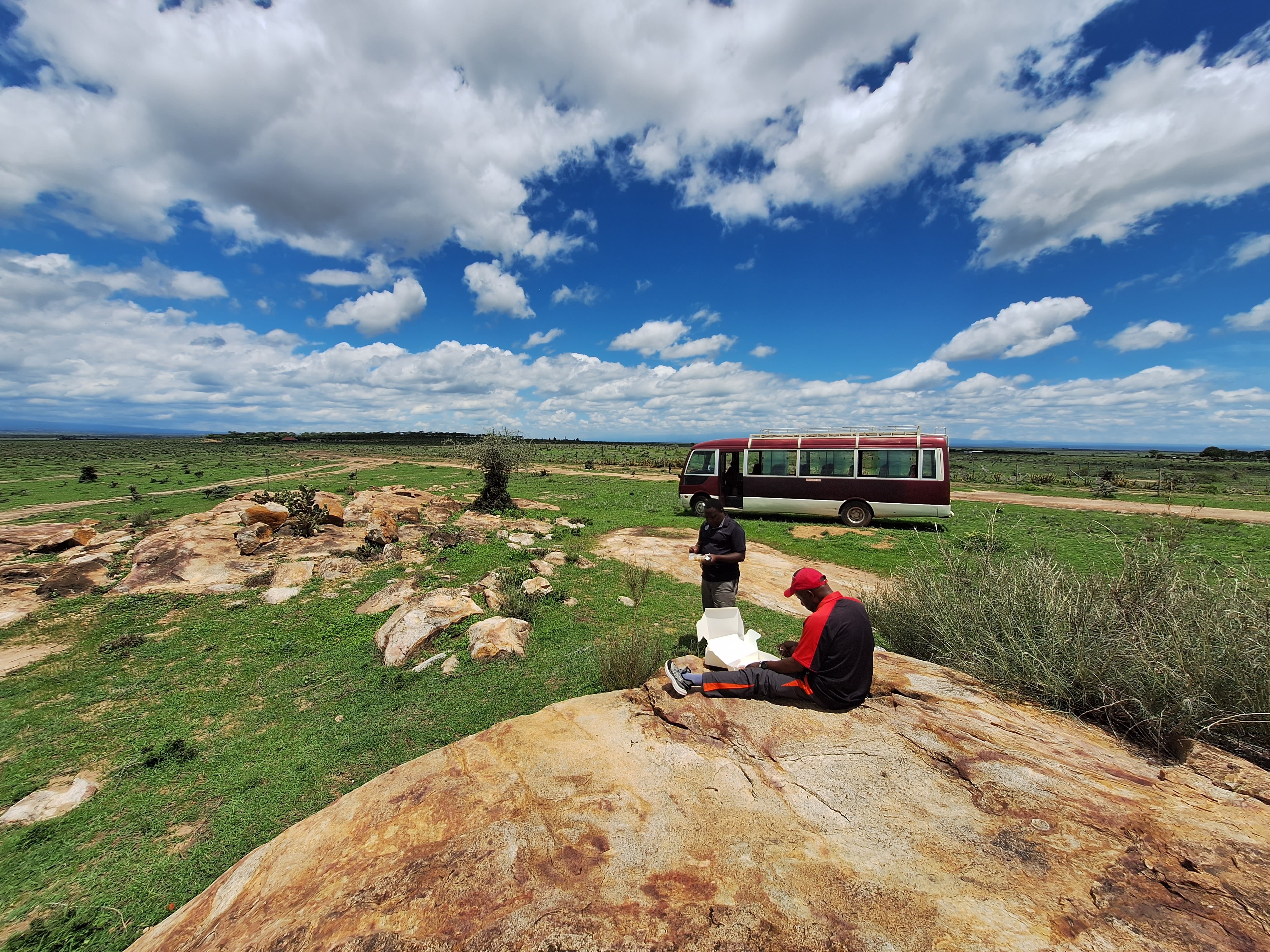
Wrapping up with our morning work as the sun began to intensify, Josephine from the leadership council dressed the women like Maasai. We said our goodbyes and made our way outside of town to our picnic spot. It was a big rock by a watering hole and a road that led to a neighboring community. It was a beautiful spot to look out over the highlands of Kenya.
For the second half of the day, we were privileged to join a member of the leadership council at his home. Pastor Paul was part of the Kukuyu tribe. The Kukuyu people are not traditionally nomadic, they farm and have livestock. His family had been in the area near the river close by for more than 40 years.
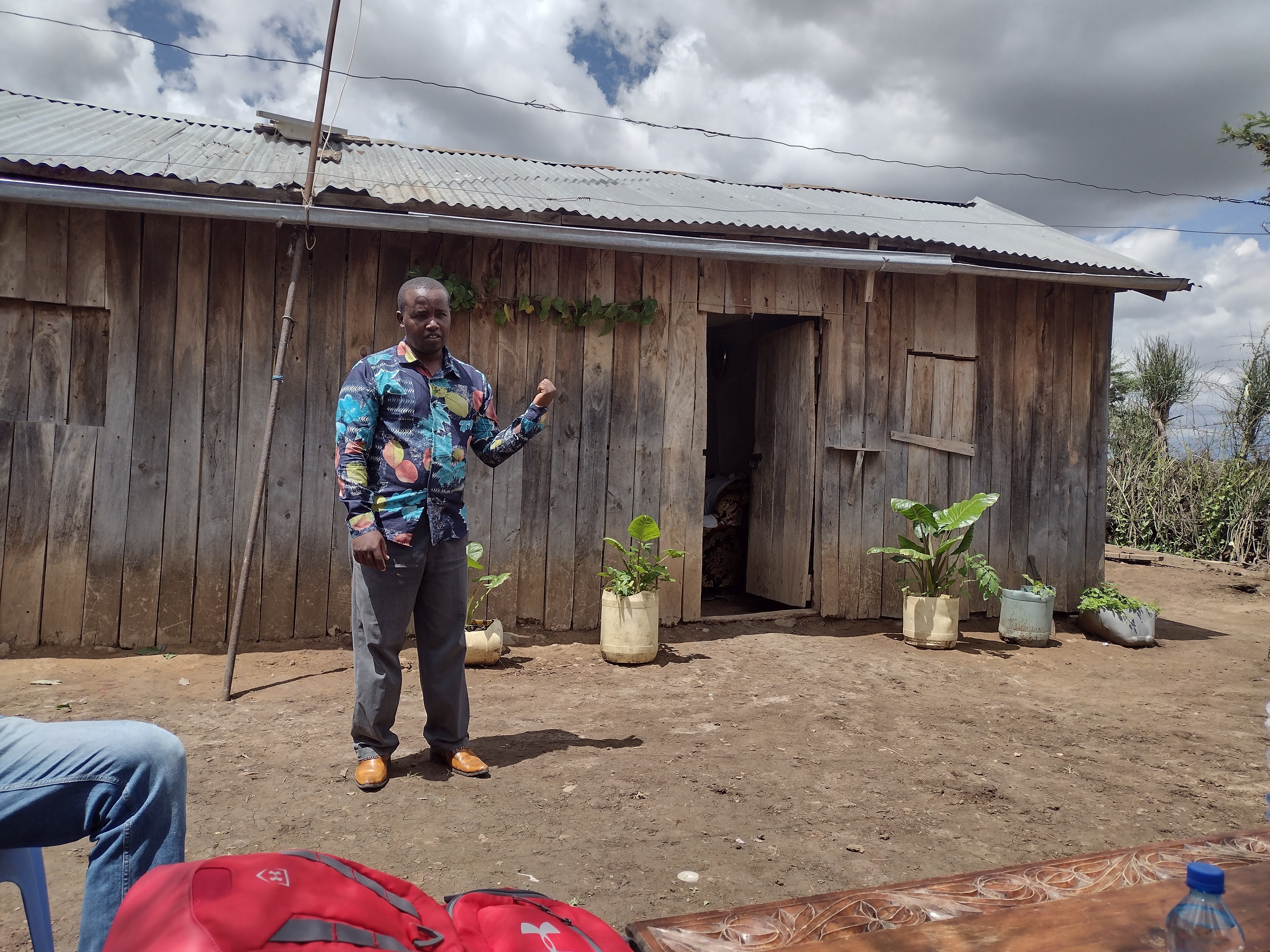
It is typical that when a Kukuyu man is married, he will build a home near his relatives. When one has a visitor, extended family will also visit. Being an established clan, that meant we were greeted by many at his home.
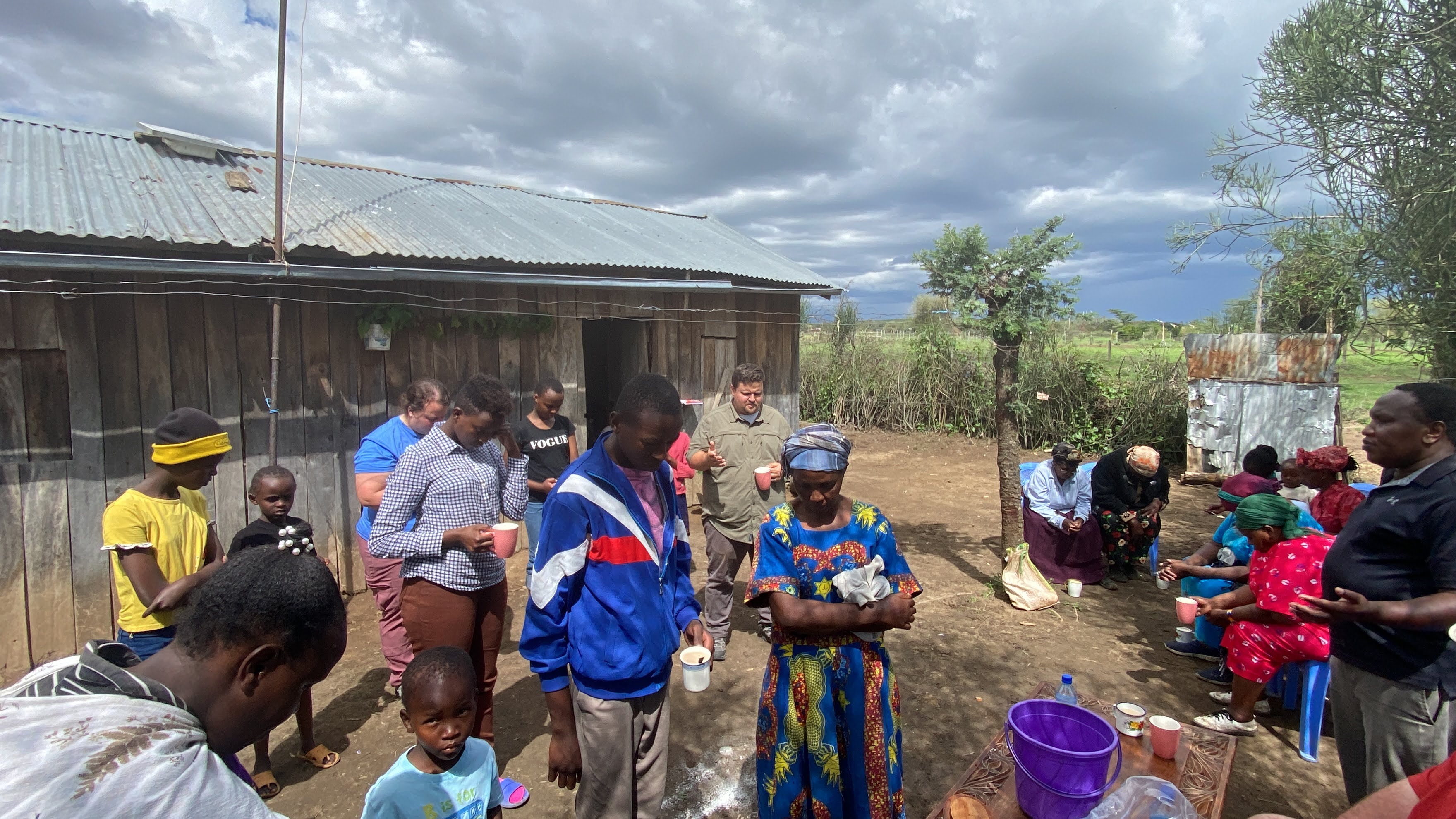
Their compound was made of trees and branches lining their fence. The acacia branches significantly improve the ability of the fence to keep the predators out, jaguars stealing livestock is common in this area. Their house was made of flat wooden boards and a metal roof. Houses made of wood are far less in number than ones which were made of branches and dirt mixed with water and ash.

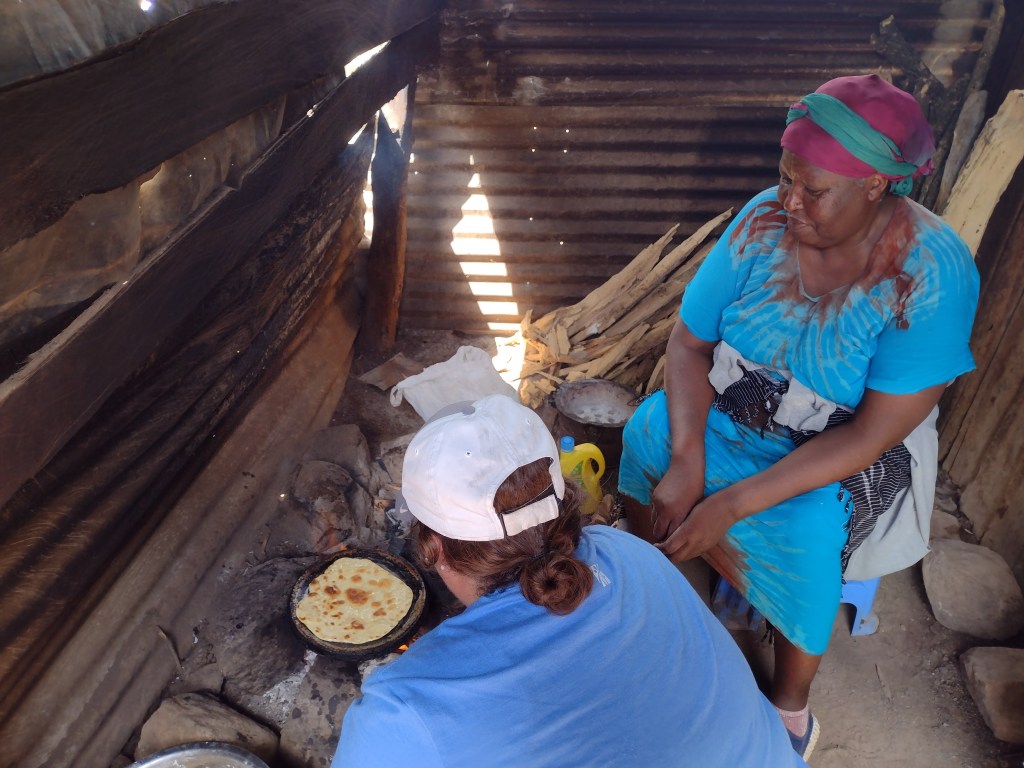
Their kitchen was in a lean-to off of one side of their house. We were going to make chapati and milk tea and learn about some of the challenges and successes they had in their everyday lives.

Ben connected easily with Pastor Paul and I felt right at home cooking over an open fire in a cast iron skillet. The women kept conversations their own language, but I did pick up on one word “fine”. I took that as encouragement that I was doing ok! At the end of cooking, I did get an “April” cheer and clapping.

While drinking our tea and eating chapati, I told Pastor Paul’s wife about my time as a Pastor’s wife. I told her I knew she did a lot and that I knew sometimes it could be very hard, but encouraged her that she was doing a good job.
After that, all reservations melted and she began opening up to me, speaking more English than I had heard all day. We talked about her children and I held their precious 6 month old. We talked about plants, gardens, her Goat’s and chickens, trying to keep the leopards away. By the end of the day, we were friends. I was so thankful to connect with her in this way and encourage her. Ben was invited in to Pastor Paul’s home and they discussed preaching topics. They had much in common and Ben was able to encourage him on some of the challenges that his church was facing. It was beautiful to not focus on differences, but similarities.
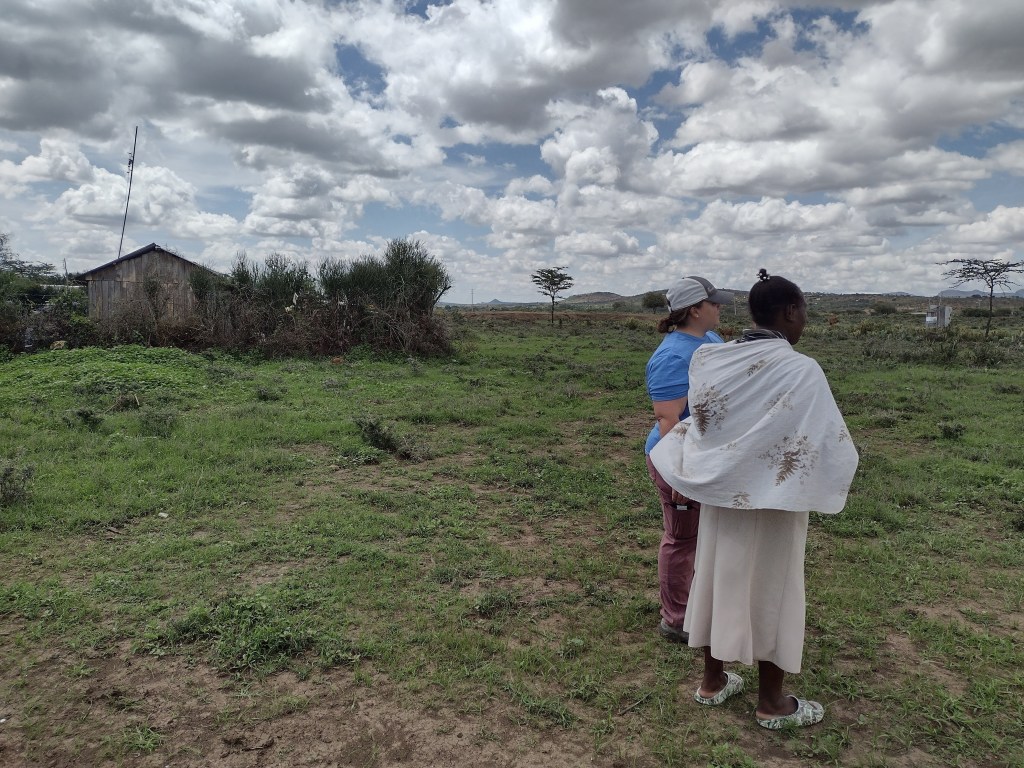

Ben and I were very sad to leave. I wish we could stayed longer or interacted more with the church groups, but we came in a solid week, with our traveling days being on a Sunday. This is where we first learned that things pretty much shut down once it starts to rain, so it’s probably a good thing that we left when we did, because it soon began to rain. Ben couldn’t resist “blessing the rains”, and I couldn’t help but attempt to capture the beauty all around me.
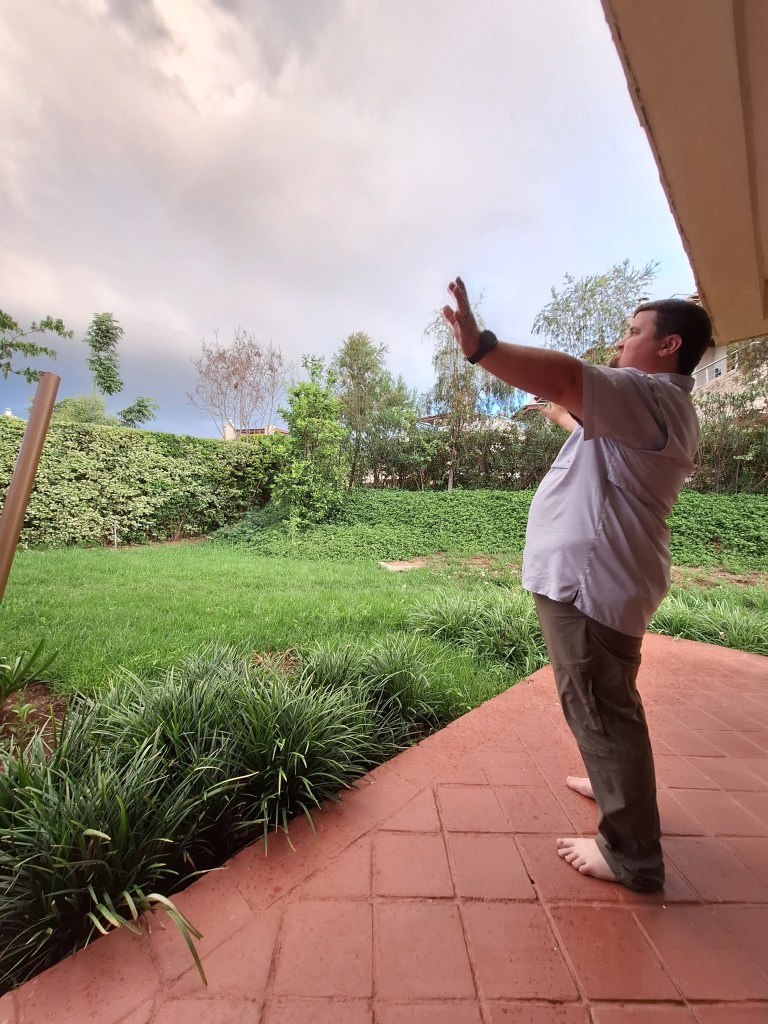


I love this so much!!! Wow, what great connections and experiences! Also, I can’t get the song out of my head with Ben blessing the rain down in Africa!
LikeLike